
 Image 1 of 1
Grape- Black Muscat (Vitis vinifera) 200mm
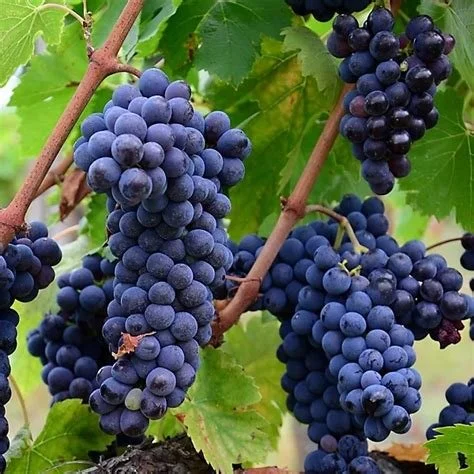
Black Muscat (also known globally as Muscat Hamburg) is a classic, highly aromatic dual-purpose grape. Originally bred in England in 1850, it stands out as one of the sweetest and most intensely flavored dark grapes available. Black Muscat is a seeded grape, but its exceptional flavor keeps it highly prized by home gardeners and specialty growers. The vine produces large, loose, and highly developed cylindrical fruit clusters, with individual bunches typically weighing between 200 to 400 grams. Because the bunches are naturally loose rather than tightly packed, the berries have room to swell, which also helps lower the risk of bunch rot during humid summer periods.
Fruit Colour: Dark, deep reddish-black skin covered in a dusty natural "bloom."
Fruit Shape: Round to oval berries
Fruit Size: Medium-sized
Flavour: It features a soft, incredibly juicy flesh rather than a crisp crunch. It is celebrated for its intense, perfumed, and floral "Muscat" aroma and boasts one of the highest sugar contents of any table grape.
Fruit Season: In Australia, the Black Muscat fruit season spans from mid-summer to mid-autumn, with grapes typically ripening for harvest between January and April.
Cropping Habit: Excellent reliability, high bud fertility, and heavy, generous yields.
Best Uses: Baking, juices/ smoothies, winemaking, fresh eating, pairing with meat in gourmet dishes (roasting etc), homemade Muscatels (Dried Raisins), aromatic summer garden shade, sensory gardens.
Light requirement: Full sun, 6-8 hours. Sunlight serves as the primary engine for photosynthesis; without sufficient daily sun, the berries will remain sour, watery, and lose their signature musky flavor.
Water requirement: Moderate to high. Always apply water directly to the soil using drip irrigation, a soaker hose, or a bucket. Because they have a deep root system, the golden rule for watering grapevines is deep and infrequent, rather than shallow and daily.
Watering frequency: Needs moderate, regular watering—especially during the peak growing and fruiting season.
Soil: Free-draining; a rich sandy loam or loamy soil mixed with gravelly grit is perfect. Grapes generally favor a slightly acidic to neutral pH between 5.5 and 7.0. Because Muscat grapes draw heavily on nutrients to synthesize their signature aromatic compounds, incorporate a good shovelful of rich compost or aged manure at planting time. Maintain the soil health annually by applying an organic mulch or pelletized fertilizer around the base in late winter or early spring.
Skill level: Moderate.
Growth rate: Fast growth rate, classified as a highly vigorous and rapid climber.
Suitable for container gardens: Yes, Black Muscat grapevines perform exceptionally well in container gardens. Because they are a highly fertile, self-pollinating variety, they will happily produce a great crop of grapes even when their root system is constrained to a pot. Use a 50cm-60cm wide and deep container (60-75L). Choose terracotta, half wine barrels, or light-colored resin pots and use structural support.
Mature Height: 2-4m when trained onto a standard garden structure.
Mature Width: 2-4m
Seasonality: The fruiting and harvest seasonality for Black Muscat spans from mid-summer to mid-autumn, with grapes ripening on the vine between January and April across Australia.
Drought Tolerant: Drought-tolerant once they are fully established
Frost Tolerant: Fully frost-tolerant when they are completely dormant during the winter.
Wind Tolerant: Moderate wind tolerance but require solid physical support and protective structural boundaries to prevent crop damage.
Leaf colour: Spring; bright, pale chartreuse green. Summer; vibrant, medium-to-dark matte green. Autumn; rich, fiery hues of golden amber, glowing orange, and deep reddish-purple before dropping entirely for winter.
Leaf Variegation pattern: No.
Size of leaf: 12-20cm