
 Image 1 of 2
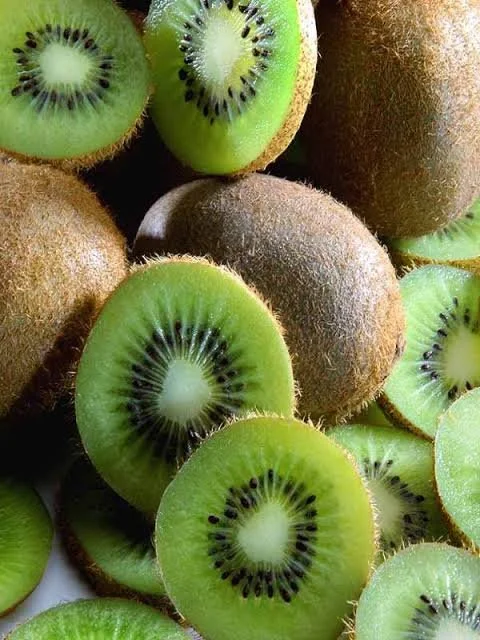 Image 2 of 2
Actinidia chinensis var. deliciosa 'Hayward' (commonly known as the Hayward Kiwi Fruit or Chinese Gooseberry) is the industry-defining commercial cultivar of green kiwifruit, making up the vast majority of the world's commercial kiwi market. Developed by breeder Hayward Wright in Avondale, New Zealand around 1924, this legendary variety grew to global dominance due to its exceptional shelf life, robust travel stamina, and large, beautifully uniform fruit. It is a dioecious plant (separate male and female plants). A male pollinator vine is required nearby to set fruit (typically one male plant can service up to four to eight female vines). Hayward is a long-lived, vigorous deciduous woody climber that requires a sturdy trellis or pergola support.
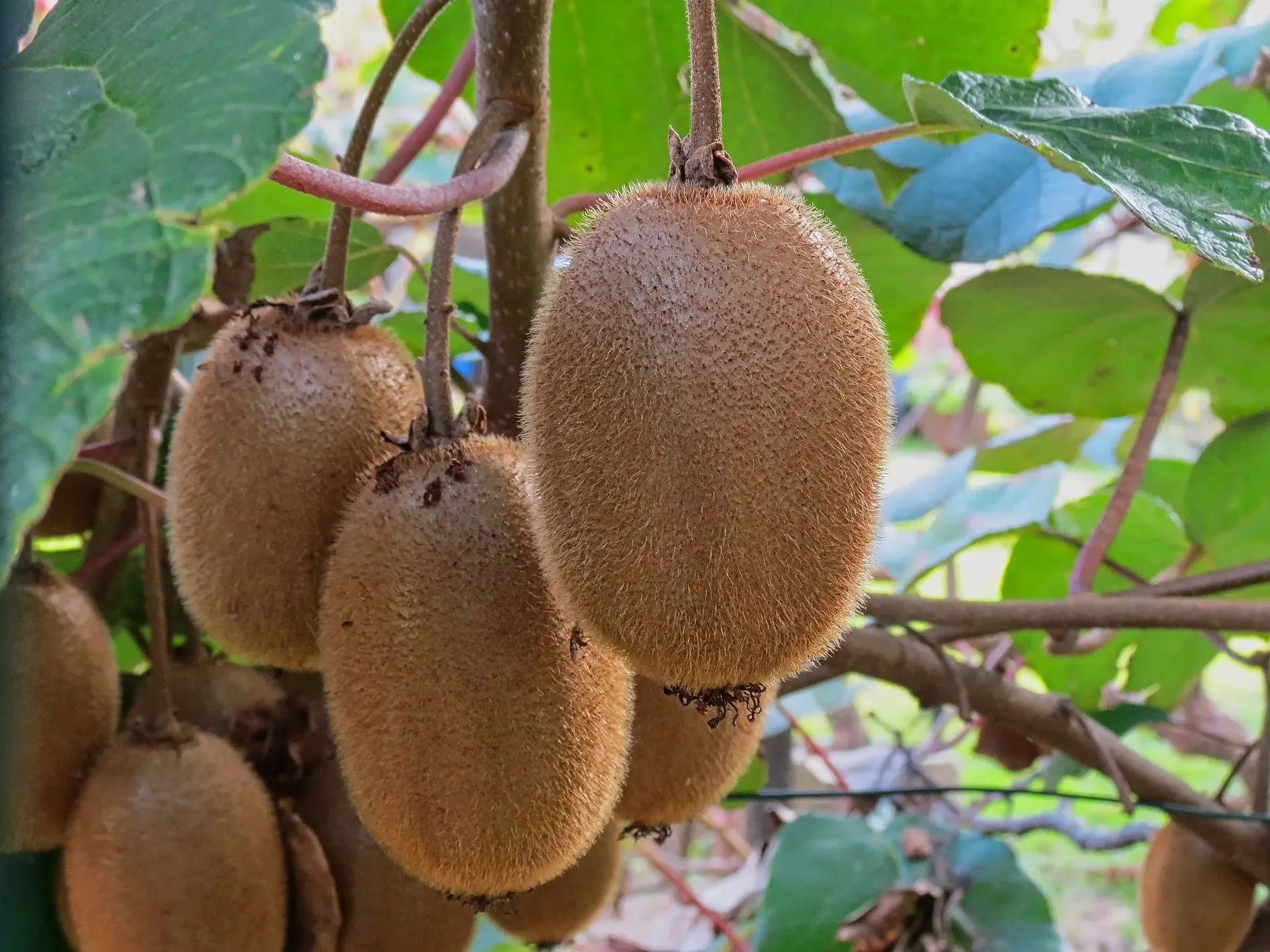
Fruit Colour: Fuzzy, dull greenish-brown skin and bright green, sweet-tasting flesh with tiny black seeds
Fruit Shape: Large, oval shape
Fruit Size: 70-120 grams, individual fruits usually 5-8cm in length and roughly 4.5-5.5cm in diameter.
Flavour: : Vibrant, bright green interior arranged with a neat radial pattern of tiny, black edible seeds.
Cropping Habit: Fruit is generally harvested in late Autumn/ June. Hayward' kiwifruit blossoms and fruits exclusively on the current season's new spring growth (fruiting shoots) that emerges from buds on one-year-old wood (canes grown during the previous summer).
Best Uses: Fresh eating, Meat Tenderising (enzymes in the fruit that break down collagen), savoury salsas, long term cold storage & staggered ripening (because it does not ripen fully on the vine, you can harvest the entire crop at once while firm, keep them cold, and pull out a few fruits at a time to ripen on your kitchen counter using a banana).
Light requirement: Full sun to partial shade in a sheltered, cooler spot
Water requirement: Moderate
Watering frequency: Needs frequent and consistent moisture during the growing season and fruit-set stage, but watering should be dialed back if the soil holds too much dampness.
Soil: Requires perfectly well-draining, fertile soil with a moderately acidic pH (5.5 to 6.5). It is highly sensitive to waterlogging, which can cause root rot.
Skill level: Beginner
Growth rate: Moderate
Suitable for container gardens: Yes
Mature Height: Managed trellis, 1.8m – 2.5m. Unpruned, 9m
Mature Width: Managed trellis, 4m – 6m. Unpruned, 8m+
Seasonality: Deciduous
Drought Tolerant: Low
Frost Tolerant: It requires a cold winter chill period to trigger proper flower and fruit set. While cold-hardy down to roughly -15°C once established, its new spring growth is very susceptible to late frosts.
Wind Tolerant: Protect from strong winds.
Leaf colour: In summer the leaves are rich, deep forest green and the surface loses the red tint but retains a soft, matte, almost velvety texture. The bottom of the leaf is noticeably lighter—a pale, silvery grey-green—and remains covered in soft, whitish downy hairs that help the plant manage moisture.
Leaf Variegation pattern: No
Size of leaf: full maturity in summer, massive, heart-shaped (cordate) structures up to 20 cm wide
Flower: Appear in mid-to-late spring and are fragrant, creamy yellowish-white and have a visually striking, distinct look that is critical for identifying the sex of the vine.